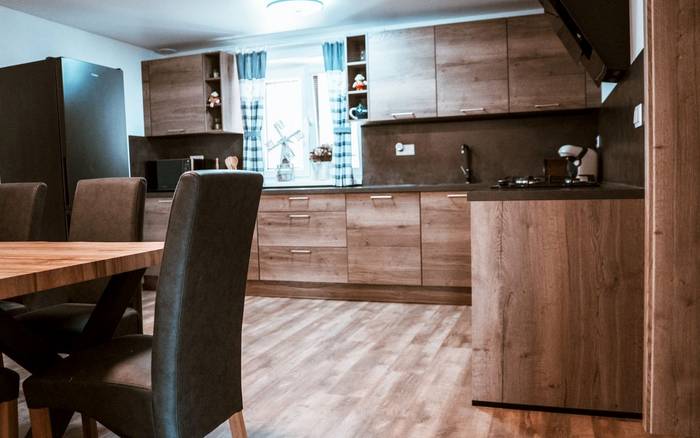
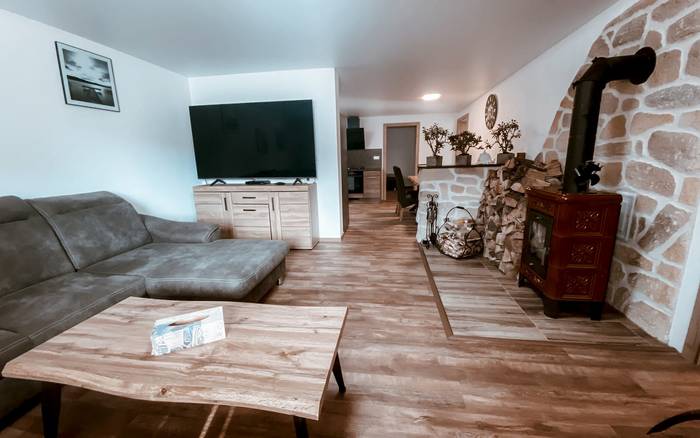
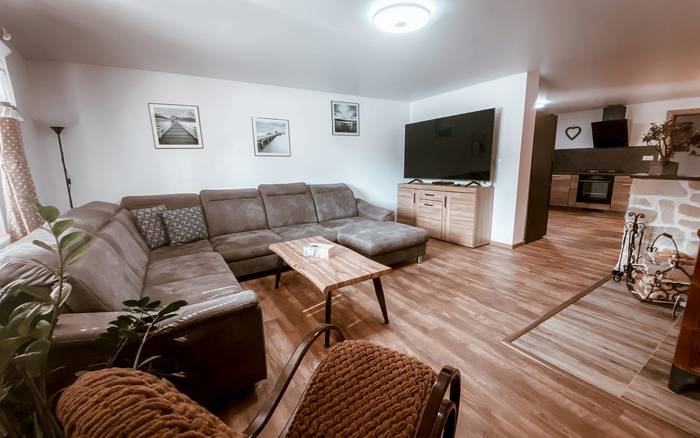
Choose from a menu of up to 3 rentals undefined
Hutterite held in Sobotiste Sobotište
Groups of Hutterites (Anabaptists) began arriving in Slovakia in the mid-16th century from Moravia, Austria, Germany, or Switzerland. The reason for their continuous migration eastward was religious oppression in Western and Central European countries. At the site where the Hutterites settled, there was a so-called brotherly court. Everything was shared here, and religious rules were strictly adhered to. In Slovakia, a brotherly court was established in 1546 in the village of Sobotište. Over time, it became one of the most significant in the country and housed a Hutterite bishop. The court has partially survived to this day. In the area declared as a heritage zone, you can see ancient folk houses, a Hutterite bell tower, a town hall, a school, a pottery workshop, a barn, a locksmith shop, and a mill. The only element disrupting this heritage zone is new construction.Read on
| Contacts: | +421 34/628 21 02 e-mail |